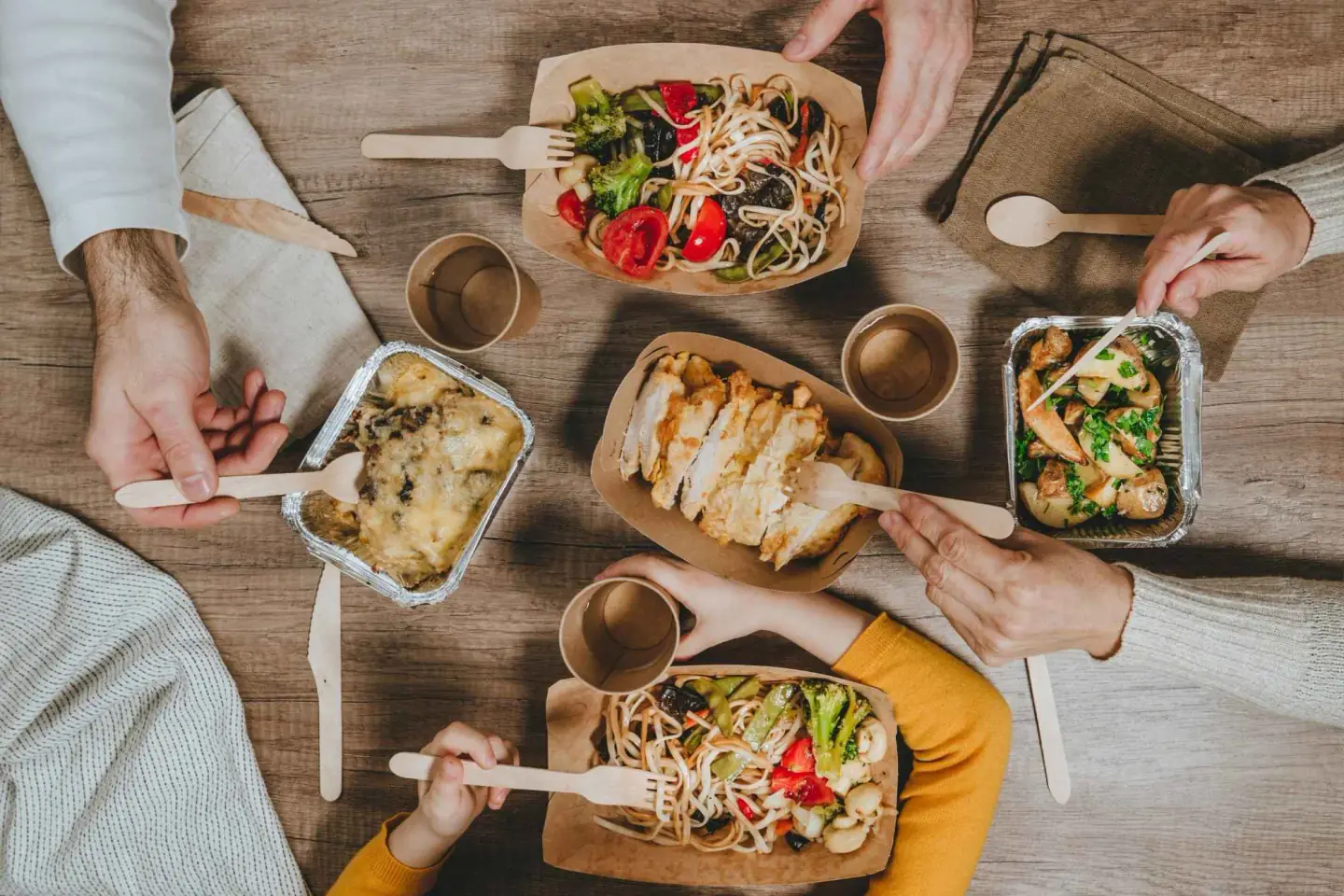
Takeout can make lunch easier, especially when your day is packed. The trick is knowing how to store, carry, and reheat it so your food still tastes good hours later.
These Japanese takeout tips are for office workers, students, and busy New Yorkers who want a better lunchbox routine without soggy rice, limp fried items, or unsafe storage. Here is how to keep your meal fresh from pickup to lunchtime.
Storing Food the Right Way (to Avoid Soggy Food)
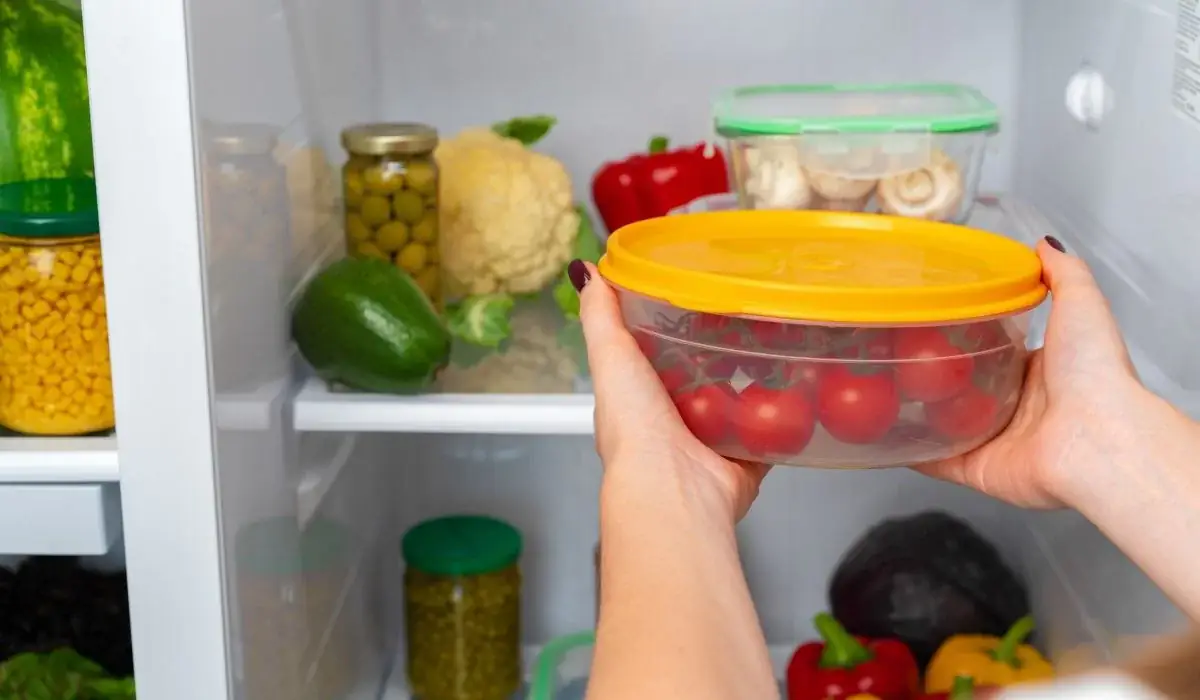
Fresh takeout can get soggy fast when steam gets trapped in the container. Before packing your lunchbox, let hot food cool slightly, then move it into a clean, airtight container.
Here are a few quick tips:
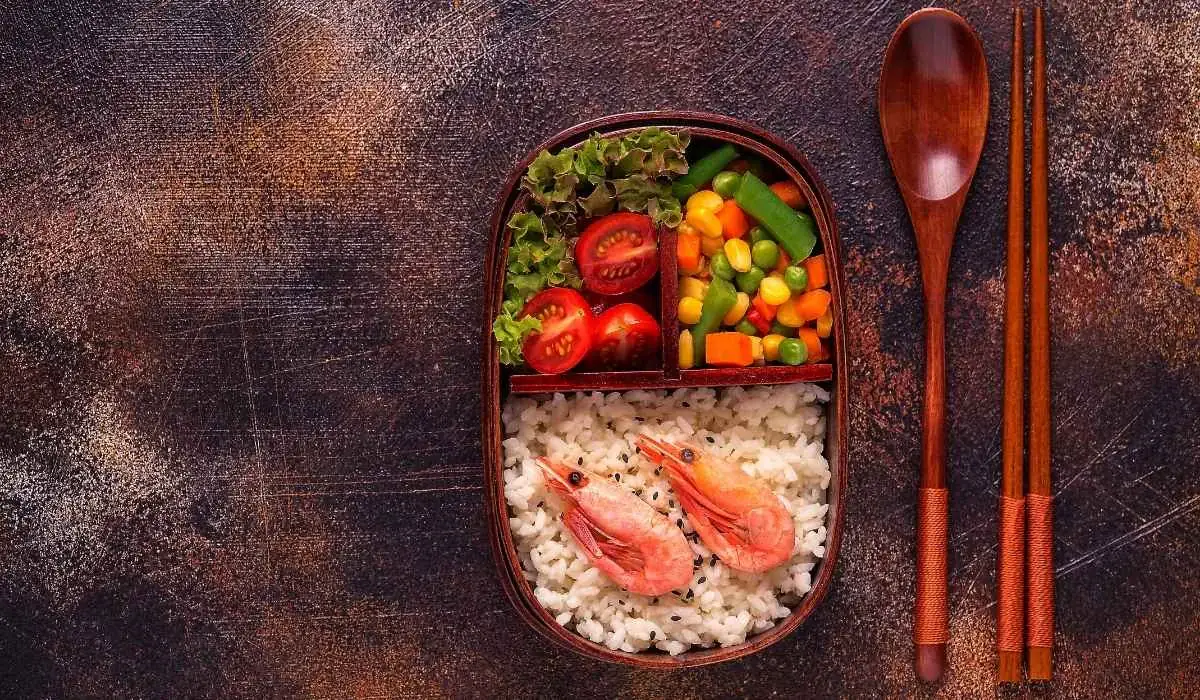
- Use a divided lunchbox to keep rice, protein, and sides separate.
- Pack hot and cold items in different containers.
- Avoid sealing very hot food right away, since trapped steam can make food wet.
- Use shallow containers when saving larger portions so food cools faster.
The FDA recommends dividing leftovers into shallow containers for quicker cooling and refrigerating perishable foods within 2 hours, or within 1 hour if the temperature is above 90°F (FDA, n.d.).
Keep Those Sauces Separate (Teriyaki, Mayo, and Dressings)
Sauce adds great flavor, but it tends to soften rice, noodles, tempura, and greens. Keep your teriyaki sauce, mayo-based sauces, and dressings in a small sealed cup. Add sauces right before you eat.
This helps:
- rice remain light and fluffy
- fried items stay less soggy
- salads keep their crunch
- noodles from getting too soft
For any teriyaki bowls, spoon a little sauce over the protein before reheating, then add the rest after warming.
Use Paper Towels to Control Moisture
A clean paper towel can help absorb all that extra moisture in your lunchbox. Place one under any items that will release steam or on top of any greens before closing the container.
This works best for:
- Fried sides
- Lettuce or salad greens
- Steamed vegetables
- Rice bowls with warm toppings
Timing and Temperature Rules for Safe, Fresh Takeouts
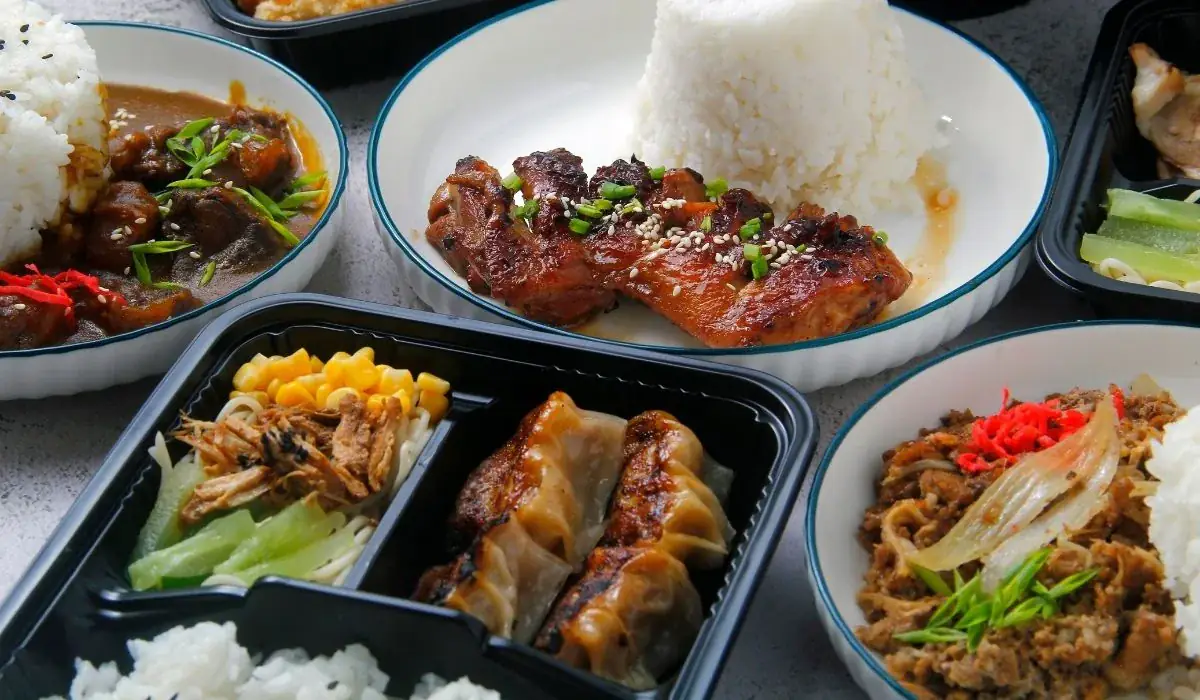
Food safety matters just as much as flavor. The CDC’s basic food safety steps are clean, separate, cook, and chill, with a strong focus on refrigerating food promptly (CDC, 2025).
If you’re planning to pick up Japanese takeout and eat it later, your safest bet is to treat it like a perishable meal. Chicken, shrimp, rice, noodles, and cooked vegetables should not sit at room temperature for too long.
How Long Can Takeout Sit Before It’s Risky?
The 2-hour rule: refrigerate perishable takeout within 2 hours. If it is very hot outside, aim for 1 hour.
If you are unsure how long food has been sitting out, it is safer to skip it. This is especially true for rice, seafood, chicken, and creamy sauces.
Use an Ice Pack or Insulated Lunch Bag
If your lunchbox is going to be sitting around in a bag, train, car, or office without a fridge, be sure to use an insulated lunch bag with an ice pack.
A good lunch setup includes:
- One insulated bag
- One ice pack for cold or chilled food
- Leakproof sauce cups
- A microwave-safe container if you plan to reheat
- Separate containers for crisp or cold sides
You’ll find that Bento-style meals work well because the compartments help separate rice, protein, vegetables, and sides. Modern bento guides also recommend divided containers for keeping your flavors and textures separate (Bento&co, 2025).
Reheating Tips for Better Texture and Flavor
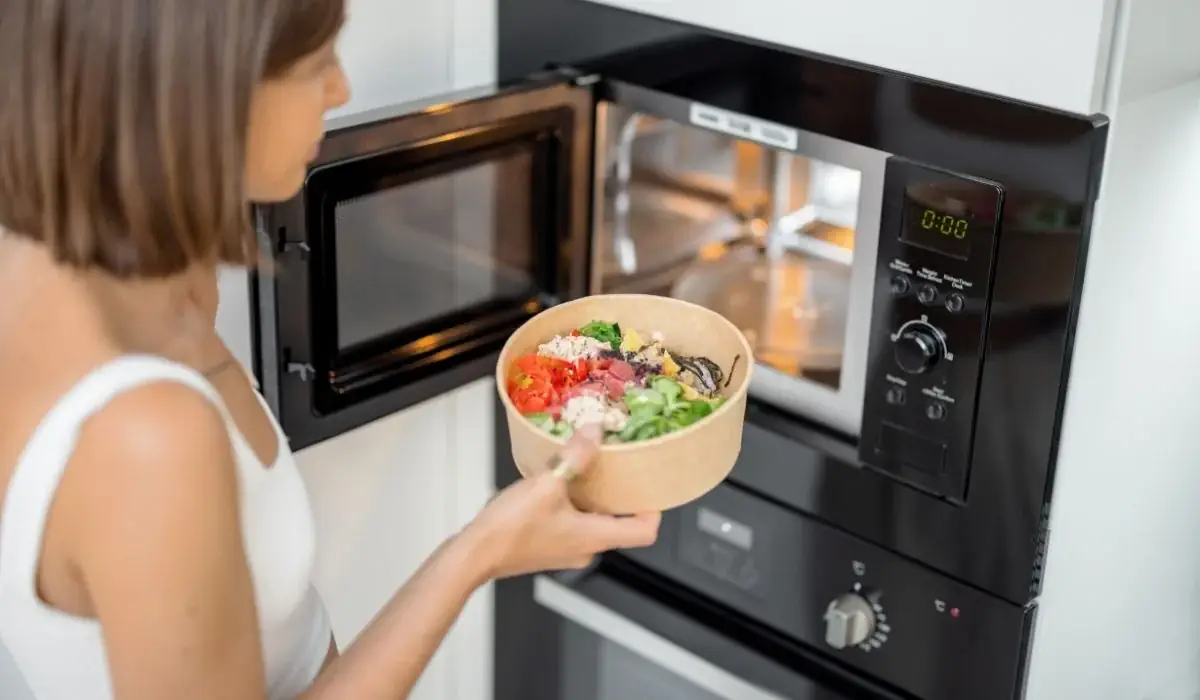
Reheating food properly comes down to managing moisture. Too much heat makes food rubbery, and too little leaves cold spots.
Before microwaving:
- Remove cold sides and sauces.
- Loosen the lid or cover with a microwave-safe vented cover
- Add a small splash of water to rice or noodles.
- Stir halfway through when possible.
Let your food rest for a minute before eating. The FDA recommends covering, stirring, and rotating food in the microwave for even heating (FDA, n.d.).
Microwave Rice vs. Noodles the Right Way
Rice dries out quickly. Add a teaspoon or two of water, cover loosely, and heat in short bursts.
Noodles usually only need a bit of water. Add a small splash, toss gently, and heat in short intervals so they do not turn mushy.
For teriyaki bowls, reheat rice and protein together if they are already mixed. If packed separately, warm the rice first, then your protein.
Keep Tempura and Fried Items Crisp
Tempura, katsu, and fried sides do not love the microwave. If you have access to a toaster oven or air fryer, use it for a few minutes to bring back crispness.
If a microwave is your only option:
- Keep fried items separate until lunch.
- Place a paper towel under them.
- Reheat briefly, then let them sit uncovered for a minute.
- Add sauce after reheating.
Best Japanese Takeout Picks for Lunchboxes
Some Japanese takeout dishes travel and reheat better than others. Choose these meals with a sturdy base, a good protein, and sauces you can control.
Teriyaki Bowls, Onigiri, and Bento-Friendly Options
Great lunchbox picks include:
- Chicken teriyaki over rice
- Shrimp teriyaki with sauce on the side
- Rice bowls with vegetables
- Onigiri or rice balls
- Bento-style meals with separate sections
- Katsu packed away from sauce
Bento meals are traditionally compact, balanced, and packed with rice, protein, and sides (Just One Cookbook, 2025). For a quick NYC lunch, Sakura of Japan on John Street serves teriyaki bowls with rice or noodles, including chicken and seafood options, and offers fast takeout and delivery.
Salads and Sides That Hold Up Well
Choose sides that hold up well without becoming watery.
Some good options include:
- Edamame
- Pickled vegetables
- Plain rice
- Steamed vegetables
- Green salad with dressing separate
- Fried sides packed in a separate container
Avoid packing hot food directly on top of salad. The heat will wilt your greens and create unwanted moisture.
Ready for a Better Lunchbox?
Order Japanese takeout from Sakura of Japan and pack it fresh for work, school, or tomorrow’s lunch. Support a local NYC restaurant and enjoy generous teriyaki portions made for busy days.
References
- Bento&co. (2025). Bento Boxes 101: How to Choose, Use, and Pack a Japanese Lunch Box. https://en.bentoandco.com/blogs/bento/ultimate-guide-japanese-lunch-boxes
- Centers for Disease Control and Prevention. (2025). Preventing Food Poisoning. https://www.cdc.gov/food-safety/prevention/index.html
- Food and Drug Administration. (n.d.). Safe Food Handling. https://www.fda.gov/food/buy-store-serve-safe-food/safe-food-handling
- Just One Cookbook. (2025). The Guide to Bento Box Lunch. https://www.justonecookbook.com/how-to-make-bento/