

Something bold, saucy, and easy to throw together after a long day is a dream mealtime scenario to satisfy any Japanese food cravings. Teriyaki noodles form a solid basis for any dish. The noodles sizzle in the hot pan, and the glossy teriyaki sauce coating is pure magic.
In this guide, you’ll learn how to make the best teriyaki noodles, plus tips for choosing noodles, balancing the sauce, and customizing your bowl.
What Are Teriyaki Noodles?
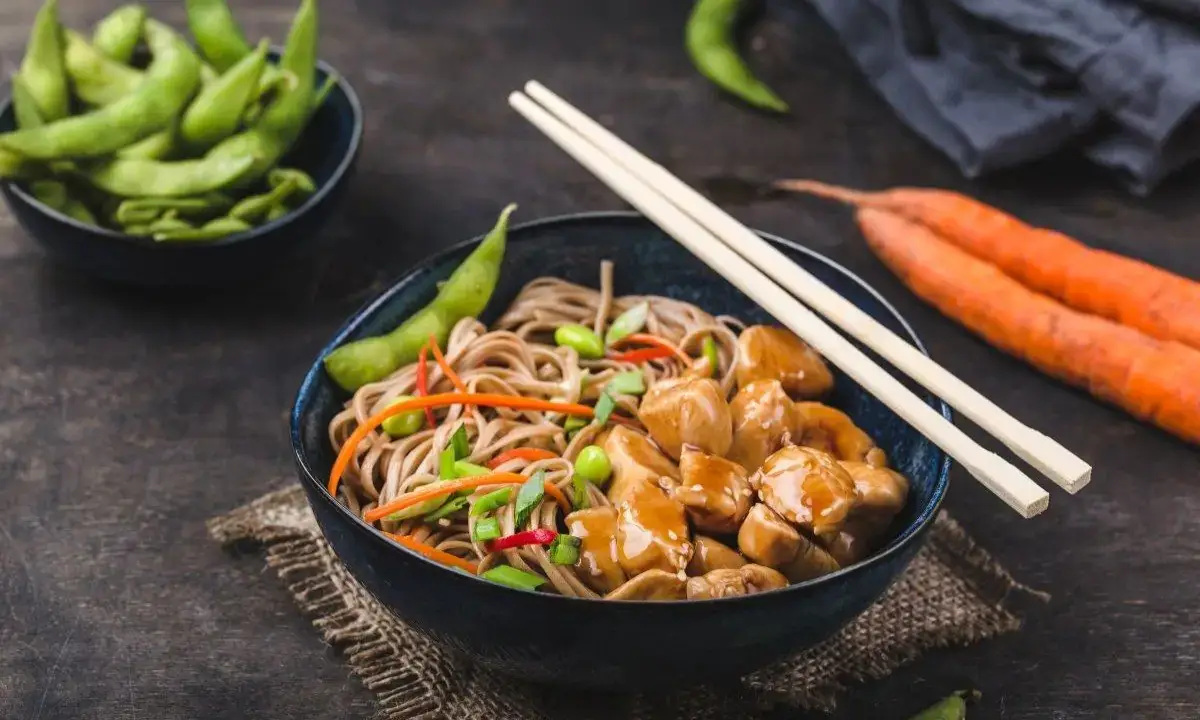
Teriyaki noodles are a Japanese-inspired dish that combines stir-fried noodles with a flavorful, sweet-savory teriyaki sauce, often finished with vegetables and a protein such as chicken, beef, shrimp, or tofu.
You have flexibility with the type of noodles, so you can use what you have on hand or what best fits your bowl.
The real trick is getting the sauce balance right so it tastes equally sweet and salty, then tossing everything in a hot pan until it turns glossy and coats the noodles.
Choosing the Best Noodles for Your Teriyaki Dish
While the noodles are up to availability and preference, some noodles work better in teriyaki dishes:
- Udon: Thick, chewy, perfect for soaking up sauce (great with chicken)
- Ramen: Cooks fast, tastes good with pretty much anything in a teriyaki stir fry
- Soba: Has a nutty flavor that’s amazing with beef
- Rice noodles: Light and won’t overpower delicate proteins like shrimp teriyaki
- Glass noodles: Though not traditionally Japanese, they offer a neutral texture that lets the sauce shine
Can Teriyaki Noodles Be Vegan or Gluten-Free?
Some rice noodles or a specifically gluten-free pasta can work. Be sure to use tamari instead of regular soy sauce to keep it gluten-free.
Homemade teriyaki sauce is usually plant-based, but check labels on store-bought versions if you’re vegan. Stick with rice noodles, ramen, or regular pasta to keep it vegan.
Easy Teriyaki Noodles Recipe
To get your dream teriyaki bowl started, here’s a simple noodles recipe you can follow.
How to Keep Teriyaki Noodles From Sticking or Clumping
- Do not overcook; they finish in the pan
- Drain well so the sauce stays glossy
- Toss with a little oil if they sit
- Add the sauce to a hot pan to coat fast
- Do not overcrowd the pan
If Your Noodles Clump or the Sauce Looks Wrong
- Clumping? Add a splash of water and toss over medium-high heat
- Too salty? Add 1 to 2 tsp sugar or a splash of vinegar
- Too thick? Add 1 tbsp water at a time and toss
- Too thin? Keep tossing for 1 to 2 more minutes until it clings
It’s ready when the sauce clings to the noodles and looks glossy, not watery. If you want a quick homemade option, follow our teriyaki sauce recipe.
Time: 15 minutes total | Serves: 2 to 3
What you need:
- 8 oz noodles (whatever’s in your pantry)
- 3 tbsp soy sauce
- 2 tbsp brown sugar
- 1 tbsp rice vinegar
- 1 tsp sesame oil
- 2 garlic cloves, minced
- 1 tbsp cooking oil
How to make it:
- Cook your noodles per the packaging’s instructions
- Mix soy sauce, brown sugar, vinegar, and sesame oil in a bowl
- Get a big pan hot with some oil
- Toss in the garlic and cook for around 30 seconds
- Add your drained noodles and your teriyaki sauce mix
- Keep stirring until everything’s coated and the sauce gets thick
Tip: Don’t cook your noodles separately for too long, since they’ll continue cooking once in the hot pan. Keep this in mind so the noodles match your consistency preference.
Proteins to Pair With Teriyaki Noodles
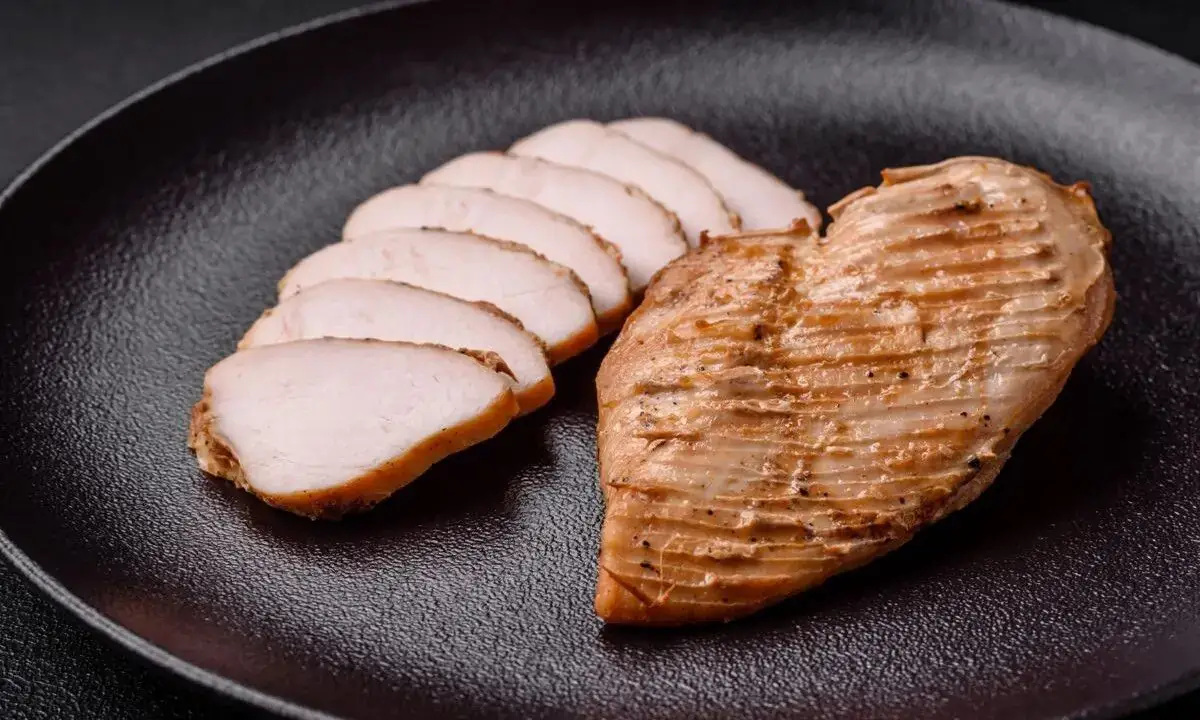
Teriyaki noodles go well with basically any protein. Teriyaki and lean meats are a common combination, but the options are virtually limitless, based on your preferences.
Chicken Teriyaki Stir Fry
Teriyaki chicken noodles are a classic meal. It soaks up teriyaki and cooks quickly when cut into small pieces. Udon or ramen noodles complement the chicken’s heartier flavor profile.
Teriyaki Beef or Steak
Beef balances out the teriyaki sauce’s sweetness. Slice it thinly so it stays tender. Soba noodles pair well with beef because their earthy flavor complements the rich meat without competing with it.
Shrimp Teriyaki
Shrimp cooks quickly and adds a sweet, seafood flavor that’s perfect for fish lovers. Get medium or large ones so they don’t get overpowered. Rice noodles or thin ramen work perfectly because they’re delicate enough to match the shrimp’s tender texture.
Teriyaki Tofu
Press your tofu, cube it, and cook it golden in the pan. It’ll soak up all the teriyaki sauce, mimicking its flavor. Any noodle works, but udon gives you a satisfying chew. The firm texture holds up well when you toss everything together.
Teriyaki Meatballs
Frozen store-bought meatballs work great, and so do homemade ones. They both make this dish more filling. Use thicker noodles like udon so they don’t fall apart when you mix everything.
Add Heat: How to Make Noodles Spicy
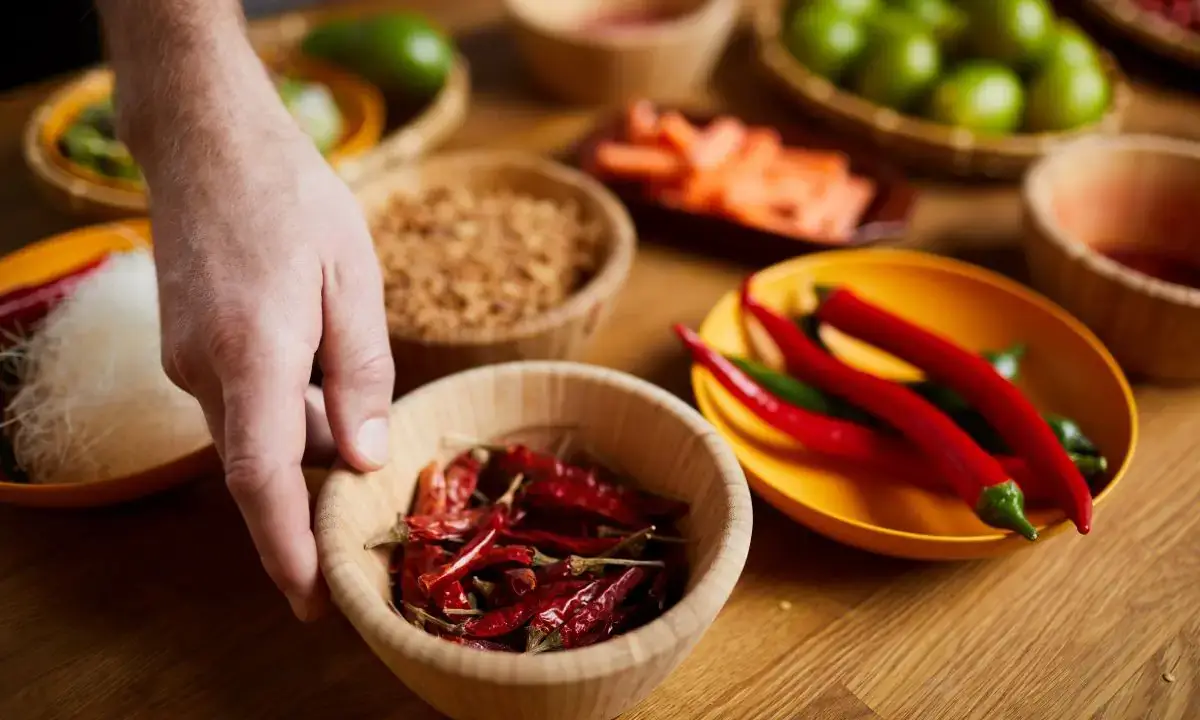
To give your noodles an extra kick, try these:
- Sriracha: Start with a teaspoon, and work your way up
- Chili garlic sauce: More complex than plain hot sauce
- Red pepper flakes: Just sprinkle on top
- Fresh jalapeños: Slice them thinly, and add them at the end
- Chili peppers: Small but spicy (use sparingly)
Vegetables That Belong in a Teriyaki Stir Fry
While there are endless vegetable opportunities to pick from, these stand out:
- Broccoli: Those little florets grab onto the sauce very well
- Carrots: Sweet enough to match the teriyaki vibe
- Snap peas: Give you that crunch factor
- Mushrooms: Meaty texture that fills you up
- Bell peppers: Colorful and slightly sweet
Tip: Throw the harder veggies in first, then add the softer ones. Everything should finish cooking together.
Storage and Reheating Tips
- Fridge: Three days maximum in a container with a tight lid
- Freezer: Up to two months, though some noodles may become soft or break apart upon reheating
- Reheating: Microwaving with a splash of water or cooking in a pan over medium heat is better. Add more sauce if it looks dry
Ready to Build Your Teriyaki Bowl?
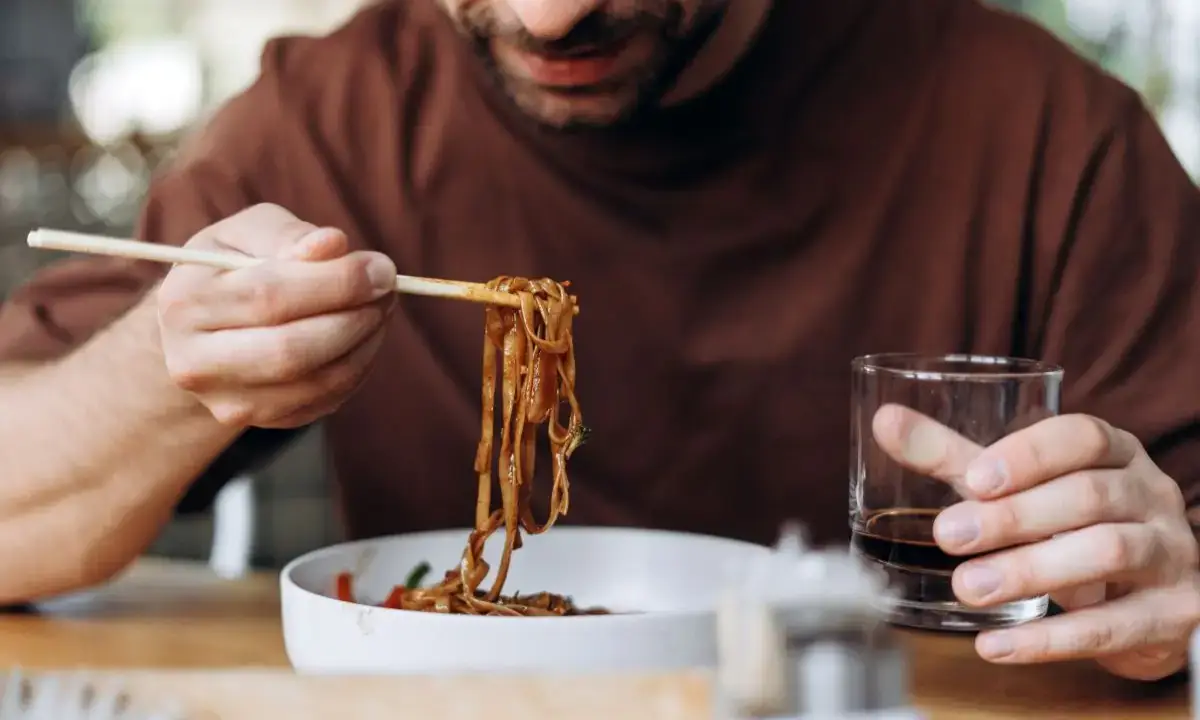
Teriyaki noodles aren’t complicated, and that’s exactly why they work. You can switch up the protein, change the vegetables, make it spicy, or keep it mild. The fun lies in trying different combinations until you find your favorite.
Some nights you may want chicken and broccoli, other nights maybe it’s tofu and snap peas. Your takeout or at-home teriyaki bowl is a creative mealtime option that can satisfy a variety of cravings. Order fresh teriyaki noodles from Sakura of Japan and enjoy restaurant-quality flavor at home.
FAQs
What noodles work best for teriyaki?
Udon, ramen, soba, rice noodles, and glass noodles all work well for teriyaki. Udon is great if you want a thick, chewy bite; ramen cooks quickly and pairs well with almost anything; soba pairs especially well with beef; and rice noodles are a lighter option for shrimp or vegetables.
How do I prevent soggy noodles?
To prevent soggy noodles, avoid overcooking them before they go into the pan, drain them well, and toss them quickly in a hot pan with the sauce. It also helps not to overcrowd the pan, since too much moisture can keep the noodles from staying glossy and firm.
Is Sakura of Japan delivery available near me?
Our primary location is on John Street in New York City. To check availability, simply enter your address via our ordering platform.
How do I get free delivery on my Sakura of Japan order?
Free delivery is available on orders over $30 within two miles of our restaurant.
Do you accommodate food allergies?
Our staff can help guide you through safe choices based on your needs.
How do I pay for my Sakura of Japan order?
We accept Apple Pay, Google Pay, and major credit cards.