Japanese food might get complicated when you have specific dietary requirements. You might be craving a classic teriyaki chicken, but aren’t sure about the sauce’s ingredients and whether they fit your needs. Good news: you don’t have to skip the sauce. Let’s break down what makes teriyaki sauce tricky for gluten-free diets and how to find (or make) safe versions.
Defining Simple Teriyaki Sauce
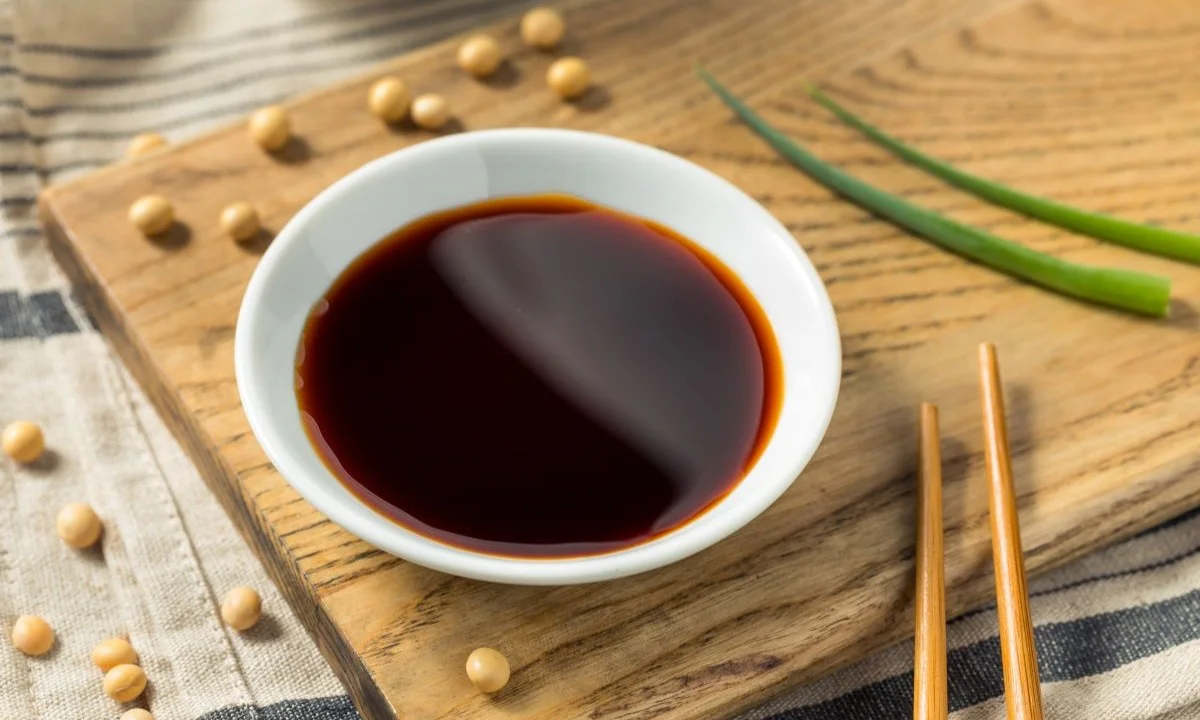
Most teriyaki sauce isn’t complex to make; it includes soy sauce, sugar, and sometimes wine. This marinade gives chicken, beef, or any other protein of choice that sweet, salty taste. Restaurants often add garlic or ginger for extra flavor.
How Does Gluten-Free Sauce Differ?
Regular soy sauce (a core teriyaki component) often has wheat in it. That means most teriyaki sauce isn’t safe for people avoiding gluten. But gluten-free versions use special soy sauce made without wheat. They might use tamari (a wheat-free soy sauce) or rice-based sauces, which taste almost the same but won’t cause problems.
Teriyaki Sauce Ingredients to Look Out For
Check out this detailed list of classic teriyaki sauce ingredients that could aggravate any gluten intolerances:
- Regular soy sauce has wheat
- Malt vinegar comes from barley
- Some teriyaki sauces use flour to make them thicker
- Store-bought marinades often have hidden wheat
- Flavored cooking or malt-based wines used in sauces may have wheat
- Modified food starch is usually gluten-free, but check labels for mention of wheat
Tips to Tell if a Teriyaki Glaze Is Gluten-Free

You need to be a detective when checking sauce, whether you’re making your own at home and don’t know what to shop for, or you’re eating out and aren’t sure how to tell whether you can eat it.
Dining Out
Your server might not know offhand what soy sauce they use, but don’t be afraid to ask them to check with the kitchen. Find out if they make sauce fresh or use store-bought bottles. Fresh sauce can be better since the chef knows exactly what’s in it.
Even if the sauce is gluten-free, the kitchen might not be. Cross-contamination happens when gluten foods touch gluten-free ones. The kitchen staff might use the same cutting board or frying oil. Feel free to ask whether there are separate designated areas and tools for gluten-free cooking.
At Home
While shopping, look for bottles marked “certified gluten-free,” which indicates that the product has been tested by a third-party to ensure <20 ppm (parts per million) gluten is present, per FDA standards. Some brands, such as Coconut Secret, San-J, and Primal Kitchen, make teriyaki sauce specifically for gluten-free diets. Read the whole label too, not just the front. Companies have to list gluten ingredients like wheat, barley, or malt.
Gluten-Free Teriyaki Sauce: What to Remember
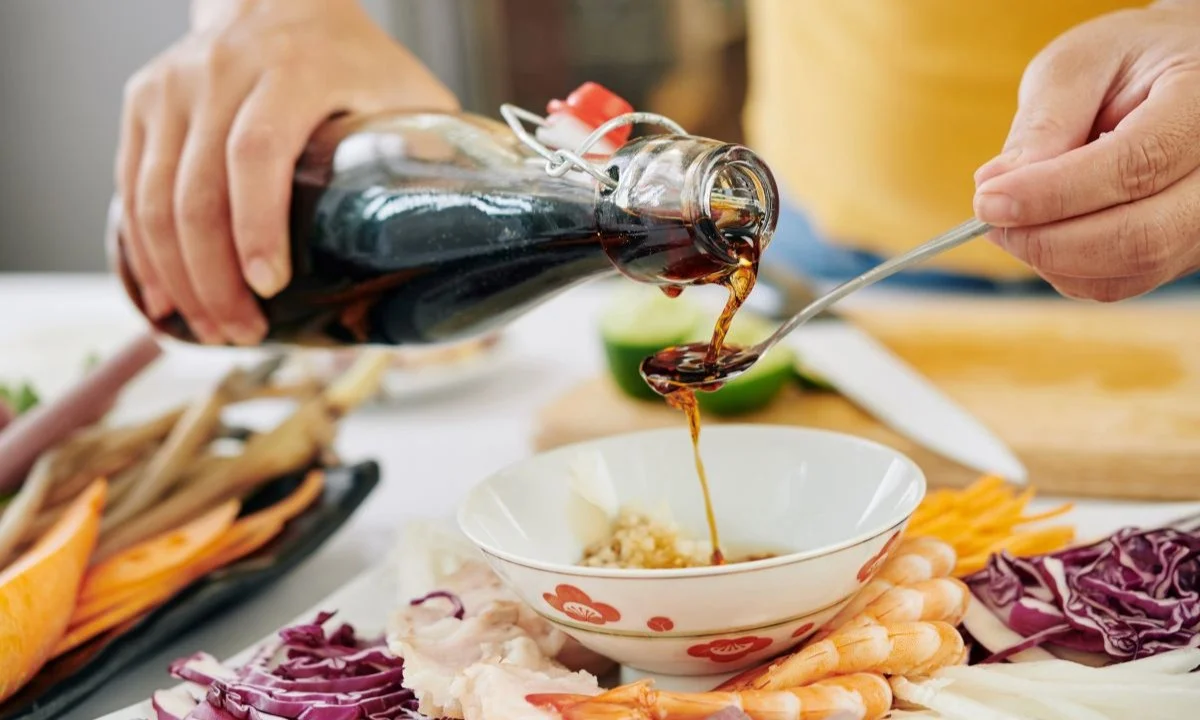
Finding gluten-free teriyaki sauce is easier once you know what to look for. Tamari works great instead of regular soy sauce. Making sauce for your at-home teriyaki bowl lets you control everything, from the tamari and brown sugar to the rice vinegar and your favorite spices.
When eating out, speak up about your needs. Don’t worry about asking too many questions. With gluten-free variants of foods as an increasingly common practice, you’re sure to find that restaurants have heard your queries many times before and are ready to accommodate.
FAQ
Is teriyaki sauce gluten-free?
Traditional teriyaki sauce is not always gluten-free because it’s often made with soy sauce, which usually contains a small amount of wheat. Some recipes and restaurants use gluten-free soy sauce or tamari instead. At Sakura of Japan, guests with dietary questions should always check ingredients directly with the restaurant before ordering.
Does teriyaki sauce contain gluten?
Yes, teriyaki sauce can contain gluten if it includes regular soy sauce or other wheat-based ingredients. That is why it is important to ask whether a specific teriyaki sauce is made with gluten-free alternatives. If you are avoiding gluten, do not assume all teriyaki sauce is safe by default.
What makes teriyaki sauce not gluten-free?
The ingredient that most often makes teriyaki sauce not gluten-free is regular soy sauce, since it commonly contains wheat. Other added flavorings or thickeners may also contain gluten, depending on the recipe. Reading the ingredient list carefully is the best way to know what is in the sauce.
Can you make gluten-free teriyaki sauce at home?
Yes, you can make gluten-free teriyaki sauce at home by using tamari or certified gluten-free soy sauce instead of regular soy sauce. You can combine it with ingredients like sugar, garlic, ginger, and a gluten-free thickener if needed. This gives you a sweet and savory sauce with a similar teriyaki flavor profile.
Is gluten-free teriyaki chicken possible?
Yes, gluten-free teriyaki chicken is possible if the sauce and all other ingredients are gluten-free. The key is using a safe soy sauce substitute and avoiding cross-contact during cooking. If you are ordering out, it is always smart to ask how the chicken and sauce are prepared.
Where can I find Japanese food in New York City and ask about teriyaki ingredients?
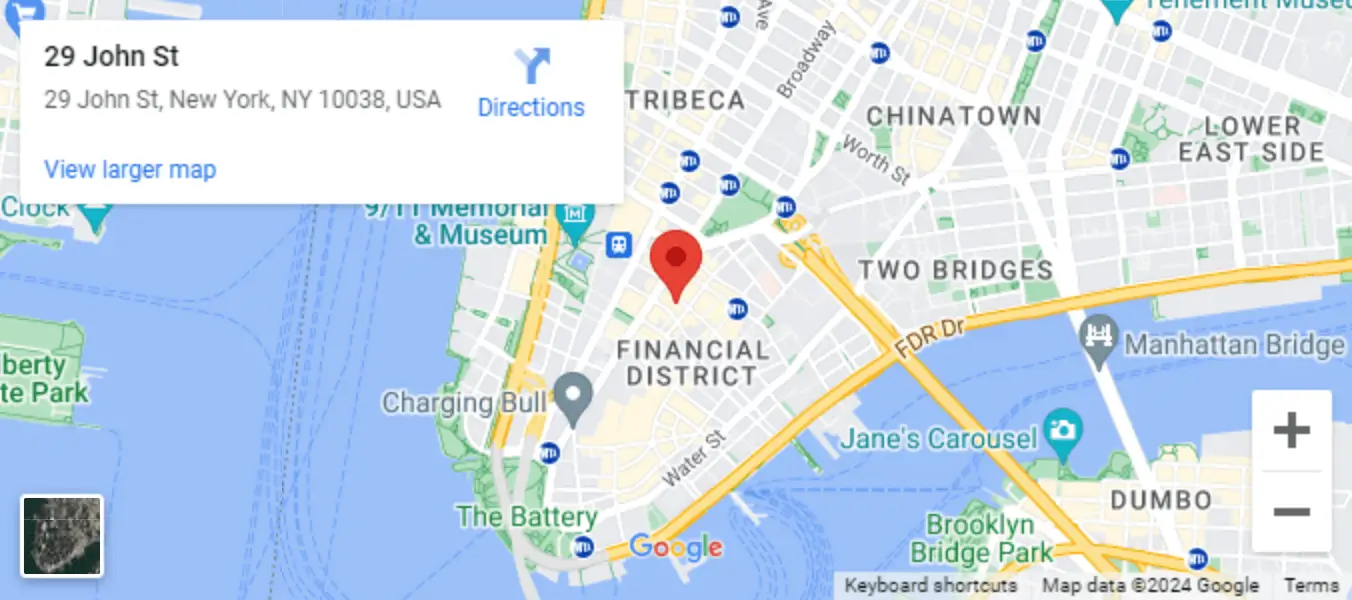
If you are looking for Japanese food in New York City and want to ask about teriyaki ingredients, Sakura of Japan is a convenient local option. Guests can contact the restaurant directly to ask about menu items, sauce ingredients, and dietary concerns before ordering in NYC.